The PCB Life Cycle and Aftermarket Guide
Repair, reverse engineering, and life cycle strategies for long-term electronics support.
Table of Contents
What Are Aftermarket PCB Services?
Printed circuit boards (PCBs) are at the core of nearly every electronic system in operation today. From industrial automation and energy infrastructure to medical devices and transportation systems, PCBs enable the functionality and connectivity that modern technology depends on. While significant focus is placed on the design and manufacturing phases, the reality is that the majority of a product’s lifespan occurs after it has been deployed.
This post-production phase, often referred to as the aftermarket, is where long-term performance is either sustained or compromised.
Aftermarket PCB services encompass the range of activities performed after initial manufacturing to maintain, repair, adapt, and extend the life of electronic assemblies. These services go beyond fixing failures. They include preventive maintenance, system upgrades, reverse engineering, and life cycle management strategies that help organizations maximize the value of their electronics over time.
In many industries, replacing a PCB or system outright is not always feasible. Equipment may be deeply integrated into operations, validated under strict regulatory requirements, or dependent on legacy architectures that are difficult to replicate. As a result, aftermarket services have become an essential part of maintaining continuity, reducing costs, and ensuring long-term reliability.
This guide explores the full scope of aftermarket PCB services and their role in supporting electronic products long after production ends. You’ll learn how repair, remanufacturing, reverse engineering, redesign, and life cycle management work together to address common challenges like equipment failures, component obsolescence, and aging systems. Whether you’re maintaining legacy equipment or planning for long-term product support, this resource will help you better understand the strategies and considerations involved in extending the life of your electronics.
The Cost of Downtime
When a PCB fails, the cost extends far beyond the physical component. In manufacturing environments, a single failure can halt an entire production line. In infrastructure or healthcare applications, failures can disrupt critical services or introduce safety risks.
Downtime often carries additional costs, including lost productivity, emergency repairs, expedited logistics, and operational inefficiencies. In some cases, organizations may also face contractual penalties or reputational damage.
Because of this, aftermarket PCB services play a critical role in minimizing disruption. By enabling faster repair, refurbishment, or replacement of key components, they help restore systems quickly and reduce the overall impact of failures.
Supporting Legacy and Obsolete Systems
Component obsolescence is an inevitable challenge in electronics. Manufacturers discontinue parts, supply chains shift, and documentation becomes outdated or unavailable. For organizations that rely on long-lived systems, these changes can create significant risks.
Aftermarket PCB services address these challenges by enabling continued support for legacy systems. Through reverse engineering, redesign, and strategic sourcing, it becomes possible to repair or reproduce boards even when original components or documentation are no longer available.
This capability is particularly valuable in industries where systems must remain operational for many years, regardless of changes in the broader technology landscape.
Extending Product Life Cycles
Many electronic systems are expected to operate for years—sometimes decades—well beyond the pace of technological change. Replacing these systems frequently is rarely practical or cost-effective.
Aftermarket services provide a way to extend product life cycles by restoring functionality, addressing wear and degradation, and adapting systems to changing requirements. Rather than discarding equipment at the first sign of failure, organizations can continue to extract value from existing assets.
This approach not only reduces capital expenditures, but also supports sustainability by limiting electronic waste and reducing the need for new manufacturing.
PCB Repair and Troubleshooting
Repair is often the most immediate and visible aspect of aftermarket services, but modern PCB repair is a highly technical process that goes far beyond replacing a failed component.
Technicians begin by diagnosing the issue, using tools such as oscilloscopes, multimeters, and thermal imaging systems to identify faults. In some cases, failures are obvious: a burnt component or broken connection. In others, the issue may be intermittent, requiring careful testing under specific conditions to replicate the problem.
Once the fault is identified, the repair process may involve replacing components, restoring damaged traces, or addressing issues related to solder joints or connectors. In more advanced scenarios, technicians conduct root cause analysis to determine why the failure occurred, whether due to environmental stress, design limitations, or component wear.
This deeper level of analysis helps prevent recurring issues and improves overall system reliability.
PCB Remanufacturing and Refurbishment
When a PCB has experienced significant wear or damage, repair alone may not restore reliable operation. In these cases, refurbishment or remanufacturing offers a more comprehensive solution.
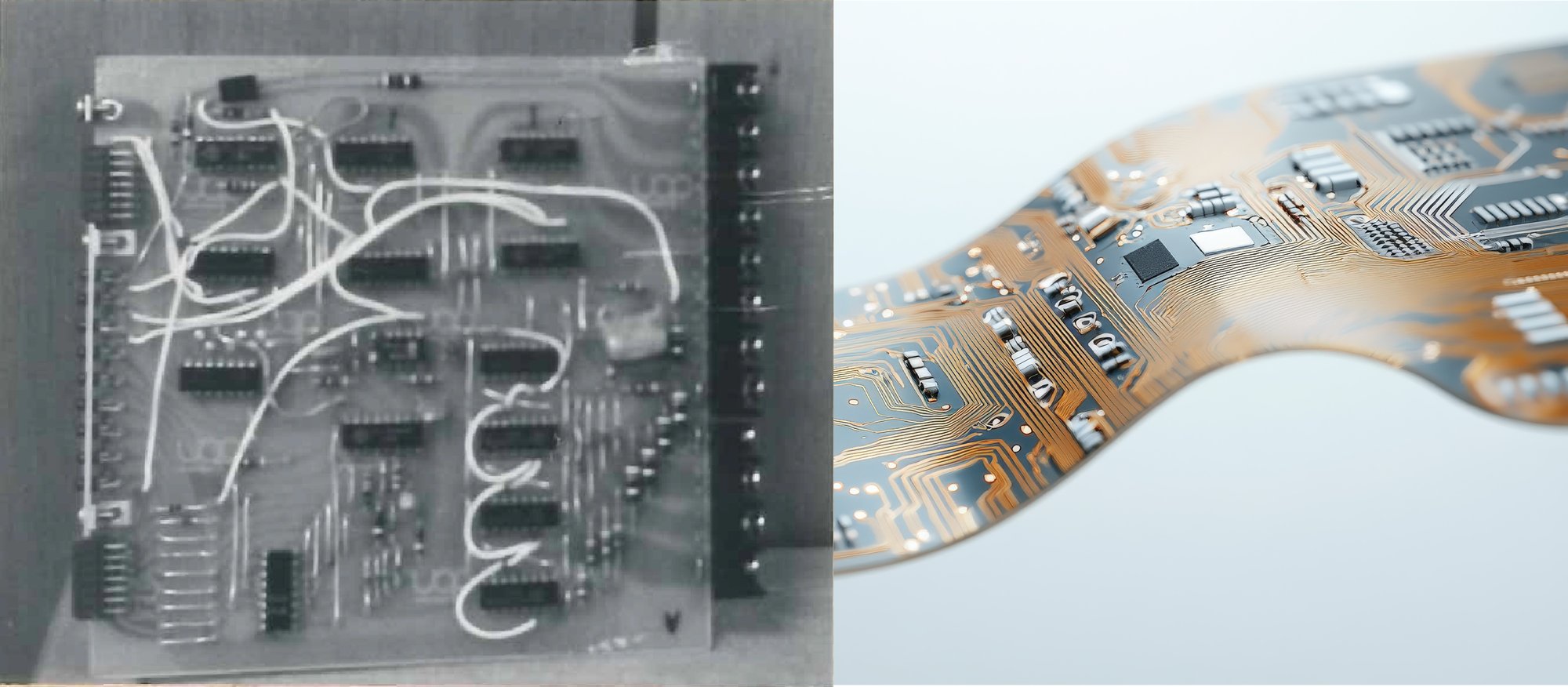
Refurbishment focuses on restoring a board to working condition through cleaning, reconditioning, and selective component replacement. This may involve removing contaminants, reapplying protective coatings, and addressing minor structural issues.
Remanufacturing takes this process further by rebuilding the assembly to meet original, or sometimes improved, specifications. This can include replacing multiple components, updating materials, and ensuring the board meets current performance standards.
These approaches allow organizations to achieve near-new performance without the cost or disruption of full system replacement.
PCB Reverse Engineering
Reverse engineering becomes essential when original design documentation is unavailable or incomplete. This situation is more common than many organizations expect, particularly with older systems or equipment that has changed hands over time.
The process begins with a detailed analysis of the physical board. Technicians may use imaging and scanning techniques to map out layers, trace connections, and identify components. From this information, they reconstruct schematics, layouts, and bills of materials.
The resulting documentation enables accurate repair, reproduction, or redesign of the PCB. In many cases, reverse engineering is the only way to maintain or extend the life of a system that would otherwise be unsupported.
|
PCB Repair |
PCB Remanufacture |
PCB Redesign |
|
|
Goal |
Restore function quickly |
Extend product life with repeatable replacement |
Modernize for long-term future use |
|
Best For |
Isolated failures, short-term needs |
Obsolete parts, ongoing legacy demand |
New requirements, full-blown obsolescence |
|
Scope of Work |
Component-level fixes |
Rebuild boards (form-fit-function) |
Full circuit and layout re-architecture |
|
Lead Time |
Fastest |
Moderate |
Longest |
|
Up-Front Cost |
Lowest |
Medium |
Highest |
|
Reliability |
Variable |
High when validated |
Highest, depending on scope |
|
Typical Outcome |
Short-term recovery |
Sustainable support path |
Next-generation platform |
PCB Redesign and Upgrades
As technology evolves, older PCBs may no longer meet performance, compliance, or availability requirements. Redesign services allow organizations to adapt existing hardware to new conditions.
This might involve replacing obsolete components with modern equivalents, improving thermal performance, or updating layouts to meet current manufacturing standards. In some cases, redesign may also address known weaknesses in the original design.
Unlike new product development, aftermarket redesign must account for existing system constraints. Compatibility with other components, physical dimensions, and functional requirements must all be preserved, making this a highly specialized process.
Testing, Inspection, and Validation
Testing is a critical step in ensuring that repaired or remanufactured PCBs perform reliably once returned to service. Without thorough validation, even minor issues can lead to repeated failures.
The testing process typically involves functional verification, ensuring that the board operates as intended under normal conditions. More advanced testing may simulate environmental factors such as temperature, humidity, or vibration to assess performance under stress.
Both visual and automated inspection helps identify defects that may not be immediately apparent. Together, these processes ensure that serviced boards meet the required standards for reliability and performance.
Failure Analysis and Continuous Improvement
Failure analysis provides insight into why a PCB failed, rather than simply addressing the immediate issue. By examining failed components and systems, organizations can identify patterns, uncover underlying causes, and implement improvements.
Over time, this information can be used to refine designs, optimize maintenance schedules, and reduce the likelihood of future failures. In this way, aftermarket services contribute to continuous improvement across the lifecycle of a product.
Learn More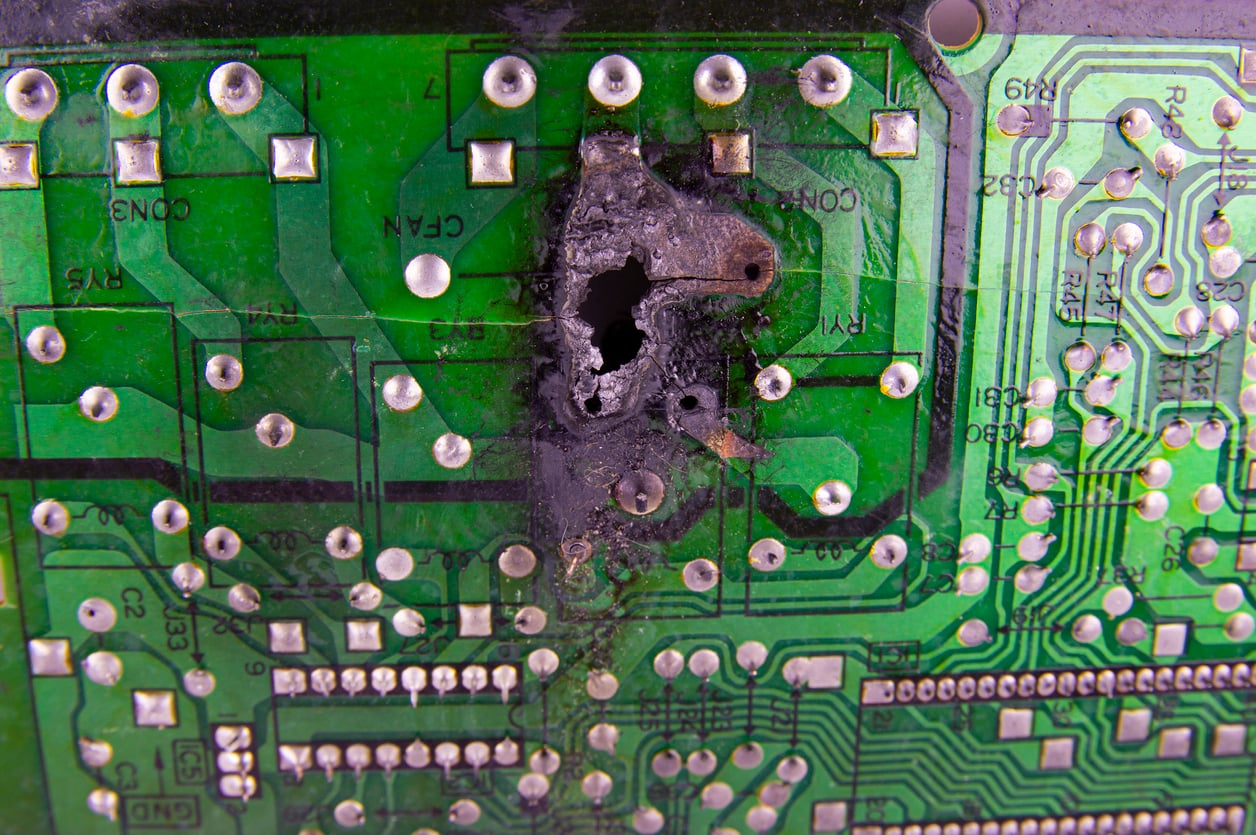
Product Life Cycle Management (PLCM)
Aftermarket services are most effective when you integrate them into a broader life cycle management strategy. PLCM involves monitoring product performance, planning for maintenance and upgrades, and managing transitions as systems approach end-of-life.
Rather than reacting to failures, organizations can use life cycle management to anticipate challenges and take proactive steps to address them. This approach reduces risk and helps ensure that systems remain reliable over time.
Read More PCLM Best Practices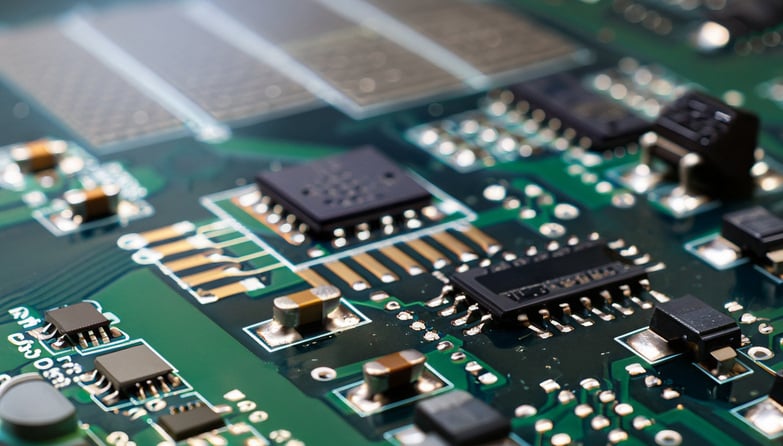
Obsolescence Management
Managing component obsolescence is one of the most complex aspects of aftermarket support. As parts become unavailable, organizations must find ways to maintain functionality without compromising performance.
This may involve identifying alternative components, redesigning circuits, or securing remaining inventory through last-time buys. In many cases, a combination of strategies is required to address both immediate needs and long-term sustainability.
Read More About Component Obsolescene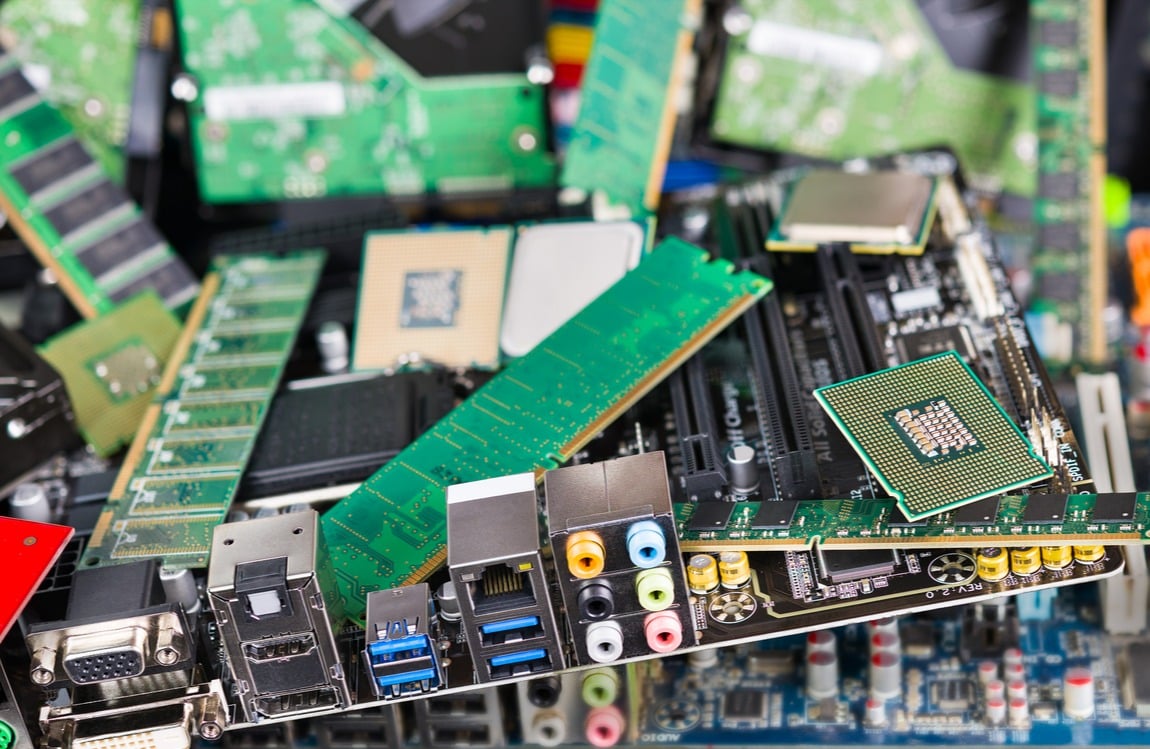
-
Industrial Manufacturing
In industrial manufacturing, electronic systems are core parts of the products they’re integrated with. A failed control board can bring operations to a halt, making rapid repair and restoration a priority. Rather than replacing entire systems, manufacturers often rely on aftermarket services to maintain continuity and minimize downtime.
-
Energy & Power
Energy and power systems present a different challenge. Equipment is often deployed in remote or demanding environments, where replacement is costly and time-consuming. Aftermarket support ensures that critical infrastructure remains operational, even as components age or become obsolete.
-
Medical Devices
Medical devices require an additional layer of precision and compliance. Equipment must perform consistently within strict regulatory frameworks, and changes to hardware can trigger revalidation requirements. Repair and reverse engineering allow organizations to maintain functionality without introducing unnecessary risk.
-
Aerospace & Defense
Aerospace and defense systems are designed to operate in some of the world’s most demanding environments, where reliability is critical and opportunities for repair or replacement are extremely limited. Whether it’s an aircraft in service, a naval vessel at sea, a satellite in orbit, or military equipment deployed in remote locations, these systems are expected to perform for years, or even decades, with minimal interruption.
-
Transportation
Transportation systems, including rail and fleet operations, also depend on long-lived electronics. Aftermarket PCB services help maintain safety and reliability while avoiding full system replacement, which logistically can disrupt the lives of thousands of people at once.
The Aftermarket PCB Process
Although every project is unique, most aftermarket workflows follow a structured process designed to ensure consistency and quality.
The process begins with intake and evaluation, where the condition of the PCB is assessed and requirements are defined. This is followed by inspection and testing to identify faults and performance issues.
Diagnosis is the next step, where technicians determine the root cause of the problem and develop a plan for repair, remanufacturing, or redesign. Once the appropriate service is performed, the board undergoes validation testing to confirm that it meets performance standards.
Finally, documentation is created to record the work performed, and the PCB is returned to service with confidence in its reliability.
Tools, Technologies, and Quality Standards
Aftermarket PCB services rely on a combination of specialized tools and rigorous standards. Advanced equipment enables technicians to diagnose and repair complex issues, while standardized processes ensure consistency and quality.
Cleaning and reconditioning systems are used to remove contaminants and restore boards to a stable condition. Precision rework equipment allows for accurate component replacement, even on densely populated assemblies. Inspection tools, including microscopes and automated systems, help identify defects at a granular level.
Quality standards provide the framework for these activities. Industry guidelines such as IPC standards define acceptable workmanship, while quality management systems ensure that processes are documented and repeatable. In regulated industries, additional certifications may be necessary to show compliance.
Together, these elements ensure that aftermarket services deliver reliable, high-quality results.
Aftermarket vs. New Manufacturing
|
Scenario |
Aftermarket Service |
New Manufacturing |
|
Legacy product |
✅ |
❌ |
|
Obsolete parts |
✅ |
⚠️ |
|
Cost constraints |
✅ |
❌ |
|
Performance redesign |
⚠️ |
✅ |
Choosing between aftermarket electronics services and new manufacturing requires careful consideration of multiple factors. In many cases, repairing or refurbishing an existing PCB is the most practical option, particularly when systems are already integrated and performing well.
However, there are situations where new manufacturing becomes necessary. If a system can no longer meet performance requirements, or if critical components are completely unavailable, redesign and replacement may be unavoidable.
Even in these cases, aftermarket services often play a ransitional role, keeping systems operational while new solutions are developed. This flexibility allows organizations to balance immediate needs with long-term planning.
Common Challenges in Aftermarket PCB Support
Supporting electronics after deployment introduces complexities that are not typically encountered during initial manufacturing. Documentation may be incomplete or outdated, making it difficult to understand the original design.
Intermittent failures can be challenging to diagnose, as they may only occur under specific conditions. Environmental damage can degrade components over time, leading to issues that are not immediately visible.
Supply chain constraints add another layer of difficulty, particularly when components become obsolete. Addressing these challenges requires a combination of technical expertise, problem-solving, and adaptability.
Best Practices for Managing PCB Life Cycles
Organizations that take a proactive approach to life cycle management are better positioned to maintain reliability and control costs over time. Maintaining accurate documentation is one of the most effective ways to support future repairs and upgrades.
Designing systems with serviceability in mind can also simplify maintenance, making it easier to diagnose and address issues. Planning for obsolescence, monitoring performance, and building strong partnerships with service providers all contribute to more effective life cycle management.
These practices help shift the focus from reactive maintenance to a more strategic approach that supports long-term success.
How Aftermarket Services Fit Into the EMS Ecosystem
Aftermarket PCB services are one component of a much larger framework known as the electronics manufacturing services (EMS) ecosystem. EMS refers to the end-to-end set of services involved in bringing an electronic product to life and supporting it throughout its entire life cycle.
This typically includes:
-
design and engineering
-
prototyping
-
PCB assembly
-
system integration
-
testing
-
long-term life cycle and aftermarket support
While EMS providers are often associated with manufacturing, their role can extend far beyond production. The most effective EMS strategies consider what happens after a product is built.
How will it perform in the field? How will it be maintained? How will it adapt as technologies and requirements evolve?
Aftermarket services sit at the back end of this life cycle, but they are closely connected to every phase that comes before. Design decisions made early in development—such as component selection, layout, and thermal management—can significantly influence how easy a PCB is to repair or upgrade later. Similarly, manufacturing quality and process control impact long-term reliability and failure rates in the field.
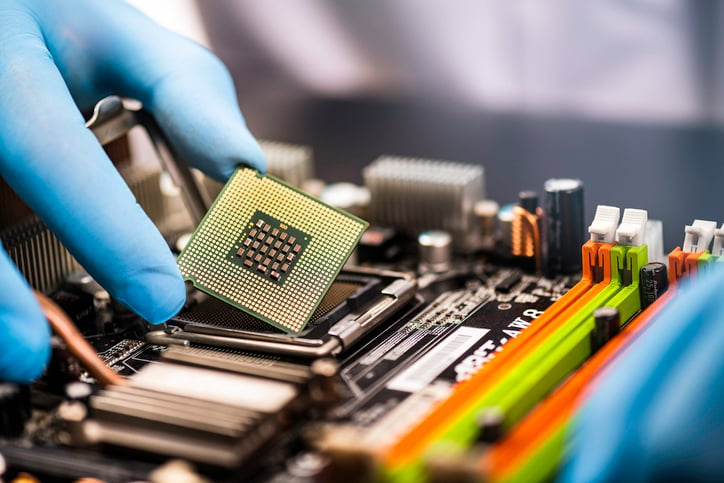
Once a product is deployed, aftermarket services take on the responsibility of sustaining it. This includes diagnosing and repairing failures, managing obsolescence, and implementing updates or redesigns when necessary. In many cases, insights gained during aftermarket support, such as recurring failure modes or component weaknesses, can be fed back into engineering teams to improve future designs.
This creates a continuous feedback loop across the EMS ecosystem. Rather than treating manufacturing and support as separate functions, organizations that integrate aftermarket services into their EMS strategy are able to take a more holistic approach. They can design products with serviceability in mind, anticipate life cycle challenges, and respond more effectively when issues arise.
In this way, aftermarket PCB services act as a bridge between past and future. They ensure that existing systems remain operational and reliable, while also informing the next generation of products. By connecting life cycle stages and enabling continuous improvement, aftermarket services play a critical role in maximizing the long-term value of electronic systems.
-
What's included in aftermarket PCB services?
Aftermarket PCB services are performed after production to maintain, repair, or extend the life of printed circuit boards and electronic systems. They may include PCB repair, remanufacturing, refurbishment, reverse engineering, redesign, testing, failure analysis, and obsolescence management. The specific services needed depend on the condition of the board, the availability of replacement components, and the long-term goals for the product.
-
How long can a PCB be supported after production?
With proper maintenance and support, many PCBs can remain operational for decades. The actual lifespan depends on factors such as the operating environment, component availability, and the ability to repair or redesign the board as technologies evolve. Many organizations continue supporting legacy electronics long after original manufacturing has ended through proactive lifecycle management.
-
Is PCB repair cost-effective?
In many cases, repair is more cost-effective than replacement, particularly for complex or legacy systems. Repair can reduce equipment downtime, avoid the expense of redesigning an entire system, and eliminate the need to replace otherwise functional equipment. The best approach ultimately depends on the condition of the PCB and the availability of replacement parts.
-
When is reverse engineering necessary?
Reverse engineering is typically used when original documentation, such as schematics, PCB layouts, or bills of materials, is missing, outdated, or no longer available. By reconstructing this information from the existing board, organizations can repair, reproduce, or redesign electronic assemblies that would otherwise be difficult or impossible to support.
-
What is the difference between refurbishment and remanufacturing?
Refurbishment focuses on restoring an existing PCB to reliable operating condition through cleaning, inspection, testing, and selective component replacement. Remanufacturing is a more extensive process that rebuilds the assembly to meet original, or, in some cases, updated specifications. The appropriate approach depends on the condition of the board, the extent of wear or damage, and the desired outcome.
A Life Cycle Approach to Electronics
Aftermarket PCB services represent a shift in how organizations think about electronics. Rather than treating systems as disposable, they enable a life cycle approach that prioritizes longevity, reliability, and value.
Through repair, remanufacturing, reverse engineering, and redesign, it’s possible to extend the life of electronic systems years beyond their original expectations. This approach reduces costs, minimizes downtime, and supports a more sustainable model for technology.
As systems become more complex and more critical to operations, the importance of aftermarket services will only continue to grow. Organizations that embrace “life cycle thinking” will be better equipped to navigate change and maintain performance over the long term.